Add Row
Add Element
cropper
update
Nontraditional Foot Care
update
Add Element
  • Home
  • Categories
    • Grounding
    • MediPedi
    • Recovery
    • Spacers
    • Pickleball
    • Ingrown Toenail
    • Onychomycosis
    • Orthotics
September 16.2025
3 Minutes Read

Do You Suffer from Foot Pain? Discover How Orthotics Can Help Your Life!

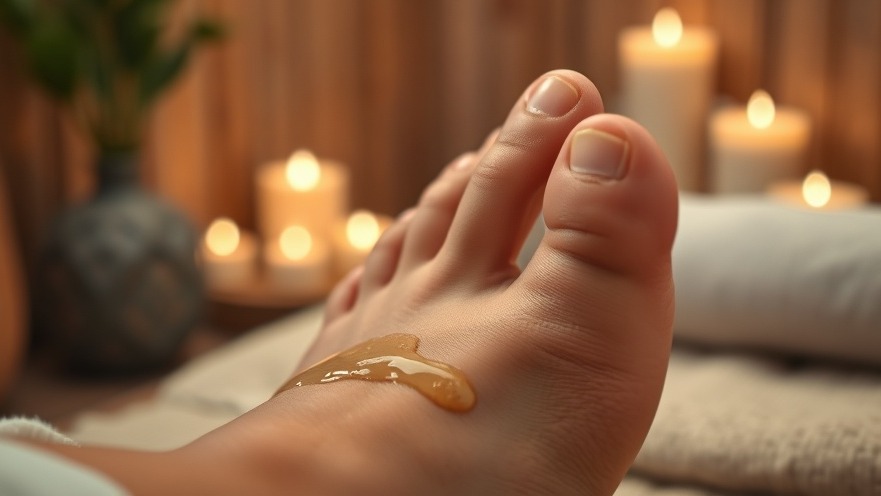
Relaxing foot massage for pain management, featuring soothing oils and serene ambiance.


Understanding the Need for Orthotics: Could They Transform Your Foot Health?

If you suffer from persistent foot pain, whether it's due to age, injury, or lifestyle, you might be asking yourself: Do I need orthotics? At your local foot care specialist, we believe that every individual’s foot health should be prioritized and understood. Orthotics, also referred to as orthoses, are custom-designed shoe inserts that not only aim to relieve pain but also to enhance your body’s overall function.

What Exactly Are Orthotics?

Orthotics are specialized medical devices crafted to correct specific biomechanical issues within the feet and lower limbs. Much like how eyeglasses correct vision, orthotics are designed to align your feet correctly. They help distribute body weight evenly, which can significantly alleviate discomfort not just in the feet, but also in other areas like the ankles, knees, hips, and lower back.

Conditions That Orthotics Can Address

There are multiple foot and lower limb conditions that can significantly benefit from the use of orthotics. Here are some notable examples:

  • Plantar Fasciitis: This painful condition, caused by inflammation of the plantar fascia, can be alleviated with orthotics that support the arch, reducing strain.

  • Flat Feet or Overpronation: Those with excessive inward foot rolling can find relief through orthotic devices that realign foot structure, potentially averting further issues like shin splints.

  • High Arches: Custom orthotics can cushion and support high arches, redistributing weight and preventing excessive pressure on the heel and ball of the foot.

  • Bunions: Pain management for bunions may be achieved through orthotics that alleviate pressure on the big toe area.

  • Chronic Conditions: Whether it’s arthritis or diabetic foot complications, orthotics can provide needed stress reduction and support to affected regions.

Additionally, custom orthotics may be particularly crucial for individuals with high physical demands, such as healthcare professionals who spend their entire day on their feet.

A Closer Look: Custom vs. Off-the-Shelf Orthotics

While generic, off-the-shelf orthotics can provide some level of comfort, they often overlook unique biomechanical issues that only custom orthotics can address. Custom orthotics are designed based on a detailed assessment of your foot structure and gait, ensuring maximum effectiveness and targeted support.

Signs You Should Consult a Podiatrist

Many may wonder when it's time to consider orthotics. Here are key indicators:

  • Persistent Foot or Heel Pain: A constant source of pain warrants professional attention.

  • Discomfort from Long Activity: Ongoing pain during prolonged standing or walking is a crucial sign.

  • Frequent Ankle Sprains: Instabilities can often be alleviated with the proper support.

  • Uneven Shoe Wear: Noticeable wear patterns on shoes can indicate biomechanical imbalances.

Consulting with a podiatrist can open the door to effective treatments that may include custom-fit orthotics.

Taking Action: Steps Toward Pain Management for Your Feet

Understanding how to take care of your feet as you age is crucial. Tune into your body’s signals. Foot pain is not merely an inconvenience; it is a call to action. You can help transform your foot health by seeking professional advice and exploring options like orthotics.

Investing in your foot health pays dividends. Whether you need a simple consultation or a comprehensive treatment plan, don’t hesitate to reach out to a healthcare professional to discuss what you can do to alleviate your foot problems.

In conclusion, your feet are fundamental to your overall well-being. Taking care of them is essential for maintaining mobility and quality of life, especially if you struggle with chronic pain, instability, or other related conditions. Orthotics may be the supportive solution you need to get back on track.


Orthotics

5 Views

0 Comments

Write A Comment

*
*
Please complete the captcha to submit your comment.
Related Posts All Posts
04.13.2026

Is It Plantar Fasciitis or Just Tired Feet? A Definitive Guide

Update Understanding the Difference: Is it Plantar Fasciitis or Just Tired Feet? If you've ever experienced sharp heel pain after a night of rest or a long day on your feet, you may have found yourself wondering if it's plantar fasciitis or simply tired feet. Understanding these conditions is crucial, particularly for those dealing with foot pains as they age. Making the right decisions about foot care not only improves your comfort but enhances your overall quality of life. Plantar Fasciitis: An Overview Plantar fasciitis occurs when the plantar fascia, a thick band of tissue running from your heel to the ball of your foot, becomes inflamed. According to experts, this is one of the most common causes of heel pain, affecting active adults aged 25 to 65. Factors leading to plantar fasciitis include prolonged standing, flat feet, or wearing unsupportive shoes. Symptoms typically manifest as sharp or stabbing pain in the heel, especially noticeable first thing in the morning or after sitting for extended periods. Common Signs of Tired Feet vs. Plantar Fasciitis When differentiating between tired feet and plantar fasciitis, listen to your body. Tired feet generally feel achy after a busy day, but this discomfort subsides after rest. In contrast, plantar fasciitis pain often intensifies after activity and can lead to stiffness, making it hard to walk comfortably. While both conditions require attention, plantar fasciitis usually demands more proactive treatment strategies. Seeking Relief: Treatment for Your Feet For those dealing with plantar fasciitis, numerous treatment options exist that focus on reducing inflammation and providing pain relief. Commonly recommended approaches include: Resting: Allow your feet ample time to recover from daily strain. Ice Application: Using ice packs can help decrease inflammation. Supportive Footwear: Wearing shoes with good arch support can make a significant difference in pain management. Stretching Exercises: Specific stretches targeting the calf muscles and plantar fascia can improve flexibility and reduce pain. When to Consult a Professional If foot pain persists for more than a week, it’s essential to consult a healthcare provider. They can conduct a physical exam and provide a tailored treatment plan. In severe cases, treatments like corticosteroid injections or extramural air wave therapy may be suggested to promote healing and manage pain effectively. Local Insights and Foot Care Management in Adelaide In Adelaide, individuals suffering from foot and heel issues have access to specialized clinics focusing on foot care management. It’s vital to seek professional help and embrace a holistic approach to foot health—considering everything from footwear choices to lifestyle habits that can impact your overall well-being. Proactive Steps Towards Better Foot Health To help prevent foot problems as you age or if you’re already experiencing symptoms, consider implementing these practical tips into your routine: Develop a Good Foot Care Routine: Make foot care a daily practice. Stay Active: Gentle exercise helps maintain muscle strength and flexibility. Keep an Eye on Footwear: Ensure shoes fit well and are designed for the specific activities you engage in. Consult Podiatrists: Regular check-ups with a foot specialist can help identify potential problems before they escalate. Your feet carry you through life—take care of them. By educating yourself on conditions like plantar fasciitis, understanding how to manage tired feet, and seeking appropriate treatment or support when necessary, you can maintain mobility and comfort well into your later years. A proactive approach to foot care is never too late to start. Harboring awareness about treatment options for your feet can truly help enhance your quality of life. Interested in optimizing your foot care routine? Explore local Adelaide clinics to talk with foot care specialists today.

03.14.2026

Footcare for Young Athletes: Your Guide to Injury Prevention and Health

Update Understanding the Importance of Footcare for Young Athletes As young athletes eagerly engage in sports, the importance of footcare often takes a backseat to performance and competition. However, taking care of your feet is crucial not only for peak athletic performance but also for long-term health. Young athletes face unique challenges, including conditions like Sever's disease, ankle sprains, and stress fractures, which can have lasting impacts if not properly managed. Common Foot Injuries: Prevention is Key Foot and ankle injuries are prevalent among youth athletes, affecting their performance and overall enjoyment of sport. Sever's disease, particularly common in children aged 8 to 14, is an overuse injury resulting from inflammation of the growth plate in the heel. Prevention measures include proper warm-up routines, ensuring supportive footwear, and moderating activity levels during high-impact sports. Choosing the Right Footwear for Every Sport Equipping young athletes with the right shoes cannot be overstated. Shoes should be specific to the sport—whether it’s soccer, basketball, or track—to provide the necessary support and prevent injuries like sprains and stress fractures. Always opt for a new pair at the beginning of the sports season and ensure the fit is appropriate, allowing for growth and movement. The Role of Warm-Ups and Cool-Downs in Injury Prevention Before any athletic activity, young athletes should engage in warm-up exercises that prepare their muscles and joints for physical exertion. Likewise, cooling down helps prevent soreness and injuries, allowing the body to recover properly. Simple stretching routines targeting the calves, hamstrings, and other key areas can significantly reduce the risk of common sports injuries. Rest and Recovery: Balancing Practice with Downtime Rest is essential for all athletes, especially young ones. Overworking muscles leads to fatigue, increasing the risk of injury. Encouraging a balanced approach that includes adequate rest alongside training can help prevent chronic injuries and foster an overall healthier attitude towards sports. Seek Prompt Treatment for Foot Problems It’s crucial for parents and young athletes to recognize the importance of addressing foot-related issues promptly. Early intervention for conditions like ingrown toenails, heel pain, or stress fractures can make a significant difference in recovery time and overall health. Consulting a podiatrist, especially for recurring issues, can help in setting up a comprehensive pain management care plan, safeguarding against long-term problems such as arthritis. In the face of increasing awareness around sports injuries, parents must become proactive advocates for their children's foot health. Comprehensive foot care education and a regular check-up routine can empower young athletes to prioritize their wellbeing as they engage in sports. By taking steps now, families can help their children not only excel in their athletic pursuits but also maintain healthy, pain-free feet for life.

03.04.2026

Spring into Healthy Steps: Essential Care for Adult Feet

Update Spring into Action: Why Foot Health Matters As winter fades and spring blooms, we naturally feel the urge to become more active. The warm weather invites us outdoors to walk, exercise, participate in sports, and enjoy nature. However, with increased activity comes the accompanying risk of foot problems. Spring is the perfect season for a comprehensive assessment of your foot health, especially for those living in Overland Park and the Kansas City area. The Spring Awakening: Common Foot Problems During winter, many people lead a sedentary lifestyle, often hiding underlying foot issues that go unnoticed. The sudden shift to outdoor activity in the spring can cause these dormant foot problems to surface. As we switch out our supportive winter boots for lighter shoes, the lack of stability can lead to a variety of ailments: Heel Pain & Plantar Fasciitis: One of the most common complaints is heel pain, often manifested as plantar fasciitis. Increased steps and standing can lead to inflammation of the plantar fascia, causing sharp pain, especially upon waking or after sitting for prolonged periods. Ankle Sprains & Athletic Injuries: The excitement of spring sports can escalate the risk of ankle sprains and other athletic injuries, especially on uneven terrains. A surge in activity without proper preparation can lead to strains and instability. Bunions and Foot Pain: Transitioning to sandals or less supportive footwear can exacerbate conditions like bunions and hammertoes. Increased joint pressure can inflammation, urging many to seek treatments as spring approaches. Special Attention for Diabetics Spring is an especially crucial time for individuals living with diabetes. Increased physical activity combined with warmer temperatures places them at a higher risk for foot injuries, including blisters and ulcers. Regular foot check-ups can help manage nerve damage and circulation concerns proactively. Preventing Foot Injuries: Expert Insights Preventing foot and ankle injuries is essential as we embrace spring activities. Here are practical tips and insights from health experts: Choose the Right Footwear: Transition slowly to lighter shoes that offer proper arch support and cushioning, especially if you're prone to flat feet or other concerns. Regular Assessments: Schedule seasonal check-ups with a local podiatrist to catch any developing issues early. Listen to Your Body: Pay attention to pain signals. Ignoring discomfort can lead to chronic conditions. How to Take Action This Season This spring, make a conscious effort to prioritize your foot health. Whether it’s through tailored fitness programs focusing on flexibility and strength or simply home treatments like stretching and ice therapy, investing time in your feet can help prevent long-term issues. As a community, let’s engage in outdoor activities safely, ensuring that we maximize the joys of the season without jeopardizing our foot health. Your Foot Health Matters In summary, spring is the perfect time to evaluate how our feet have held up through winter’s inactivity. By taking proactive steps, we can avert common foot and ankle injuries, ensuring a season filled with enjoyment and movement. Get to know your body, listen to what it tells you, and remember that early intervention can make all the difference in maintaining foot health. Many people overlook the importance of foot health, but as spring approaches, it's an excellent reminder to take charge. First and foremost, stay active but do so wisely. Consider consulting with foot specialists to personalize a plan that caters to your unique needs.

Terms of Service

Privacy Policy

Core Modal Title

Sorry, no results found

You Might Find These Articles Interesting

T
Please Check Your Email
We Will Be Following Up Shortly
*
*
*