Add Row
Add Element
cropper
update
Nontraditional Foot Care
update
Add Element
  • Home
  • Categories
    • Grounding
    • MediPedi
    • Recovery
    • Spacers
    • Pickleball
    • Ingrown Toenail
    • Onychomycosis
    • Orthotics
September 15.2025
3 Minutes Read

Rapid Healing for Heel Pain: 10 Home Remedies to Try Now

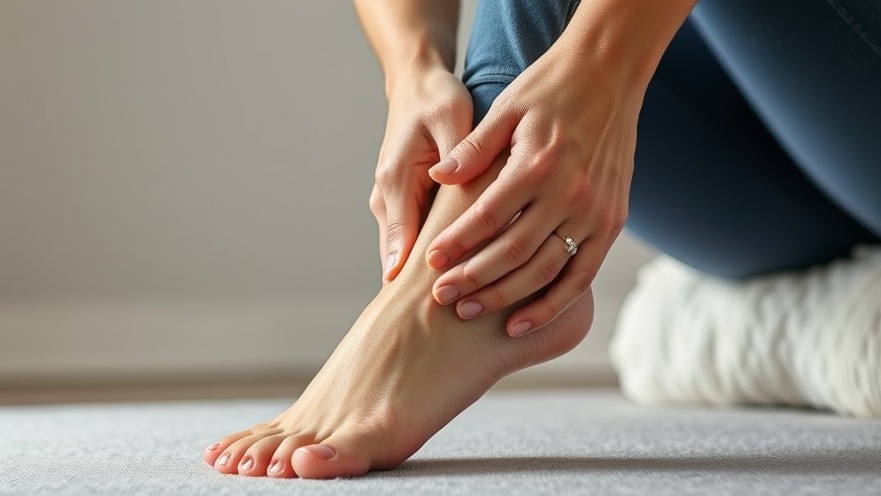
Person massaging heel to relieve pain with foot arch stretches and heel pads.


Fast Relief for Your Heel Pain: Top Home Remedies You Can Try

Heel pain, mainly if caused by conditions like plantar fasciitis, can significantly impact daily activities and overall quality of life. Fortunately, several quick and effective home remedies can help soothe discomfort and promote healing. This article explores ten easy-to-implement solutions that can provide relief, focusing on practical insights that resonate with anyone experiencing this frustrating issue.


In 'Need heel pain relief FAST? Try these 10 quick home remedies. The discussion delves into practical solutions for managing heel pain, exploring key insights that sparked a deeper analysis on our part.

Understanding Heel Pain: Why It Happens

Heel pain often arises due to inflammation of the plantar fascia, the thick band of tissue that stretches across the bottom of your foot and connects your heel bone to your toes. Factors such as excessive physical activity, improper footwear, and weight changes can contribute to irritation and pain. Understanding the underlying causes of your heel pain is vital for effectively addressing it.

Stretching Your Way to Comfort

Incorporating foot and calf stretches into your routine can relieve tension in the plantar fascia. Stretches for arch pain are particularly beneficial and easy to perform at home. Try gently pulling your toes back towards your shin while seated, or standing with your heel on a step, allowing your foot to hang off the edge. These moves can effectively alleviate tightness, promoting fluidity in movement.

Investing in Proper Footwear

Choosing the right shoes is crucial in managing heel pain. Look for supportive designs that cater to high arches, medium arches, or flat feet, depending on your specific needs. In 2025, insights from users highlighted the best women’s walking shoes for plantar fasciitis as those offering adequate arch support and cushioning. Similarly, many praised brands that provide the best men's walking shoes for plantar fasciitis in 2025, which feature enhanced support for the plantar arch.

Using Night Splints for Overnight Relief

Many individuals find success using a night splint or sock splint that comfortably stretches the plantar fascia overnight. This device keeps your foot in a dorsiflexed position, allowing for a gentle stretch and reducing morning heel pain. Adopting a plantar fascia release approach can significantly enhance your healing process as you sleep.

Relief Through Taping Techniques

Correctly taping the foot can stabilize and support the foot arch during the recovery from heel pain. Utilizing methods such as plantar plate tear taping or taping for arch support can be helpful for individuals dealing with persistent inflammation. Consulting a physical therapist for guidance on taping can provide tailored solutions to your specific condition.

Utilizing Foot Pads and Supports

Many people experience significant pain relief with the assistance of orthotic devices. Products like plantar pads or heel pads can help distribute pressure more evenly and reduce strain on the heel, providing pain relief. Incorporating these into everyday shoe choices can create a noticeable difference.

Engaging in Healing Exercises

Low-impact exercises provide an opportunity to strengthen foot muscles without placing excessive strain on the plantar fascia. Focus on high-arch foot exercises or specific exercises to relieve plantar fasciitis to foster recovery. Simple moves, such as doing toe curls with a towel or balancing on one leg, help build strength and flexibility.

Natural Remedies: Ease the Pain with Home Ingredients

Several natural remedies can be easily found in any household. Applying ice to the heel can both reduce inflammation and numb pain. A warm foot soak with Epsom salts can relieve tension after a long day, while turmeric paste may help alleviate pain due to its anti-inflammatory properties.

Recognizing When to Seek Professional Help

While home remedies can help manage your symptoms, there are times when professional attention becomes necessary. If your pain persists or worsens despite these strategies, a healthcare provider or physical therapist can offer personalized diagnostics and treatment options, ensuring a tailored approach to your recovery journey.

Bringing a proactive mindset to heel pain management is essential for finding relief and preventing future discomfort. Each of these remedies offers an immediate opportunity to alleviate pain and restore function, promoting a more active and fulfilling lifestyle. Remember, approaching your recovery holistically can include a mix of stretches, supportive footwear, and proactive treatment methods.


Orthotics

4 Views

0 Comments

Write A Comment

*
*
Related Posts All Posts
03.04.2026

Spring into Healthy Steps: Essential Care for Adult Feet

Update Spring into Action: Why Foot Health Matters As winter fades and spring blooms, we naturally feel the urge to become more active. The warm weather invites us outdoors to walk, exercise, participate in sports, and enjoy nature. However, with increased activity comes the accompanying risk of foot problems. Spring is the perfect season for a comprehensive assessment of your foot health, especially for those living in Overland Park and the Kansas City area. The Spring Awakening: Common Foot Problems During winter, many people lead a sedentary lifestyle, often hiding underlying foot issues that go unnoticed. The sudden shift to outdoor activity in the spring can cause these dormant foot problems to surface. As we switch out our supportive winter boots for lighter shoes, the lack of stability can lead to a variety of ailments: Heel Pain & Plantar Fasciitis: One of the most common complaints is heel pain, often manifested as plantar fasciitis. Increased steps and standing can lead to inflammation of the plantar fascia, causing sharp pain, especially upon waking or after sitting for prolonged periods. Ankle Sprains & Athletic Injuries: The excitement of spring sports can escalate the risk of ankle sprains and other athletic injuries, especially on uneven terrains. A surge in activity without proper preparation can lead to strains and instability. Bunions and Foot Pain: Transitioning to sandals or less supportive footwear can exacerbate conditions like bunions and hammertoes. Increased joint pressure can inflammation, urging many to seek treatments as spring approaches. Special Attention for Diabetics Spring is an especially crucial time for individuals living with diabetes. Increased physical activity combined with warmer temperatures places them at a higher risk for foot injuries, including blisters and ulcers. Regular foot check-ups can help manage nerve damage and circulation concerns proactively. Preventing Foot Injuries: Expert Insights Preventing foot and ankle injuries is essential as we embrace spring activities. Here are practical tips and insights from health experts: Choose the Right Footwear: Transition slowly to lighter shoes that offer proper arch support and cushioning, especially if you're prone to flat feet or other concerns. Regular Assessments: Schedule seasonal check-ups with a local podiatrist to catch any developing issues early. Listen to Your Body: Pay attention to pain signals. Ignoring discomfort can lead to chronic conditions. How to Take Action This Season This spring, make a conscious effort to prioritize your foot health. Whether it’s through tailored fitness programs focusing on flexibility and strength or simply home treatments like stretching and ice therapy, investing time in your feet can help prevent long-term issues. As a community, let’s engage in outdoor activities safely, ensuring that we maximize the joys of the season without jeopardizing our foot health. Your Foot Health Matters In summary, spring is the perfect time to evaluate how our feet have held up through winter’s inactivity. By taking proactive steps, we can avert common foot and ankle injuries, ensuring a season filled with enjoyment and movement. Get to know your body, listen to what it tells you, and remember that early intervention can make all the difference in maintaining foot health. Many people overlook the importance of foot health, but as spring approaches, it's an excellent reminder to take charge. First and foremost, stay active but do so wisely. Consider consulting with foot specialists to personalize a plan that caters to your unique needs.

02.16.2026

Unlocking the Hidden Link Between Heart Health and Foot Care

Update The Heart and Feet Connection: An Overlooked Relationship When it comes to maintaining our health, we often think about the core organs: the heart, lungs, and brain. However, our feet hold vital clues about our overall well-being, particularly their correlation with heart health. For this article, we will explore how heart health directly impacts foot care, a connection that many do not recognize. February, designated as American Heart Month, is a perfect time to reflect on this often overlooked relationship. Why Do Your Feet Matter When It Comes to Heart Health? Your heart is responsible for pumping blood throughout your entire body, including your feet, which are the farthest points from the heart. Good circulation is essential to keep your feet healthy, and any disruption can become evident through noticeable symptoms in your lower extremities. For example, when heart function deteriorates, patients frequently enlist the help of podiatrists to address issues such as swelling, tingling, or numbness that are often rooted in cardiovascular concerns. Common Symptoms to Monitor People often overlook the signs that their feet might provide regarding heart issues. Here are a few common symptoms to watch for: Swelling in the Feet and Ankles: This can lead to discomfort and is often tied to high blood pressure or fluid retention when the heart is not pumping efficiently. Tingling or Numbness: Reduced blood flow can cause these sensations, signaling potential nerve issues along with circulation problems. Skin Changes and Slow-Healing Wounds: Tight, shiny skin or open sores can be indicative of poor circulation, which may warrant immediate medical attention. Seasonal Changes: What to Expect The transition from winter to spring can exacerbate foot problems associated with heart health. Cold temperatures in winter restrict blood flow, while sudden increases in activity in spring can put additional strain on the feet. Patients may notice symptoms flaring during these seasonal changes, leading to increased visits to foot specialists. It’s prudent to recognize these patterns to better manage health. The Role of High Blood Pressure High blood pressure strains the heart, affecting circulation particularly to the feet. Edema, the accumulation of fluid, can lead to noticeable swelling, especially after prolonged sitting or standing. By being aware of how these symptoms relate to circulatory issues, individuals can take early steps to seek assistance from their healthcare providers. Tips for Enhancing Heart and Foot Health To foster both heart and foot health, employing some healthy lifestyle habits can make a significant difference: Regular Exercise: Aim for at least 30 minutes of moderate activity most days to improve circulation. Maintain a Healthy Weight: Losing just a few pounds can ease strain on both the heart and feet. Monitor Your Feet: Regular inspections for cuts or discoloration are important, particularly for those with diabetes or poor circulation. Avoid Smoking: Smoking reduces blood circulation, leading to increased heart disease risk and associated foot problems. What You Can Do Remaining proactive about your health is key. Consult with your healthcare provider about any changes in your feet or heart symptoms. Regular check-ups can help identify potential issues before they develop into serious complications. If you're noticing unusual symptoms, don't hesitate to seek the expertise of a podiatrist – the health of your feet could very well inform the condition of your heart. You may not think about foot care in the context of heart health, but awareness of this connection can empower you to take the right steps toward a healthier future. Your feet support you every day; it’s time to return the favor by keeping them in check. Your journey towards better heart and foot health starts with awareness and proactive measures. Make it a priority to listen to your body and seek professional advice when needed. Your heart—and your feet—will thank you.

02.12.2026

Post-Summer Foot Pain: Understanding and Treating Common Problems

Update Post-Summer Foot Problems: Understanding Your PainAs summer gives way to fall, many of us find ourselves reflecting on the joys of the season—beach trips, long hikes, and the simple pleasure of walking barefoot. But amidst all this fun, it’s easy to overlook the strain we've placed on our feet. By the time we return to our routine, lingering foot pain might remind us that our feet have endured more than usual.After a season filled with different footwear choices and increased activity, common foot complaints arise, such as heel pain, cracked heels, ingrown toenails, and fungal infections. This article discusses these issues and offers practical solutions for maintaining healthy feet as we transition back to our everyday lives.Why Do Post-Summer Foot Problems Arise?The combination of increased activity, exposure to varied terrains, and less-than-ideal footwear contributes significantly to foot issues in the fall. For instance, frequent walks on hard surfaces or hiking trails can cause stress reactions or tendon pain. Moreover, footwear like flip-flops provides little arch support, which can lead to conditions such as plantar fasciitis.According to a recent study, many instances of foot pain, documented post-summer, link heavily back to lifestyle changes during the warmer months. After months of carefree summers, suddenly switching back to supportive shoes can be a rude awakening for feet that have become accustomed to less stringent care.Common Foot Conditions: You’re Not AloneMany of us experience similar issues as summer fades. Here are some common conditions:Heel Pain: Often experienced as sharp pain early in the day or after sitting for long periods, this can be a result of inflammation due to overuse or improper footwear.Cracked Heels: Open-backed shoes and prolonged exposure to dry conditions lead to cracked skin on heels. For individuals with diabetes or circulation issues, this can escalate into more severe problems.Ingrown Toenails: This usually results from inappropriate trimming or pressure from tight footwear, which can lead to pain and infections.Fungal Infections: Environments like beaches and public showers present opportunities for fungi to thrive, causing athlete’s foot or nail infections if feet are not dried and cared for properly.Prevention Strategies: How to Care for Your FeetNow that we understand the potential pitfalls, what can we do to protect our feet and maintain their health?1. Choose Supportive FootwearAs our routines shift, transitioning back into supportive shoes is crucial. Look for footwear with adequate cushioning, arch support, and a stable heel counter. This is especially relevant if you spend long hours standing or walking.2. Moisturize DailyPrevent dry skin and cracked heels by applying a good quality moisturizer—ideally after a bath or before bed. Consider wearing socks overnight to lock in moisture.3. Trim Toenails ProperlyRegular upkeep of toenails can prevent ingrown toenails. Always cut your nails straight across and avoid trimming them too short.4. Maintain HygieneAfter exposure to potentially damp environments, dry your feet thoroughly—especially between the toes—to prevent fungal infections. Rotate your shoes often to allow each pair to dry out.5. Build Activity GraduallyIf you’ve taken a break or downgraded your activity levels, ease back into your routine to allow your feet time to adapt. Sudden increases in strain can lead to injuries, so listen to your body and adjust accordingly.Long-Term Care: Prioritize Your Foot HealthRegular check-ins with a foot health professional, especially as you age or change your activity levels, can help spot problems before they escalate. This proactive approach allows for tailored interventions suited to your specific needs.What To Do If Problems PersistIf the pain doesn’t ease up or worsens, consult a health expert. Conditions like plantar fasciitis or severe ingrown nails may require professional treatment to ensure a healthy recovery.Adapting to the demands placed on our feet post-summer is essential for maintaining mobility and overall well-being. Remember, taking care of your feet is crucial not just for comfort, but also for your health as you continue to enjoy the activities you love.Given the transition in seasons, there’s no better time than now to prioritize your foot health—think of it as a small investment in your overall happiness and mobility.

Terms of Service

Privacy Policy

Core Modal Title

Sorry, no results found

You Might Find These Articles Interesting

T
Please Check Your Email
We Will Be Following Up Shortly
*
*
*